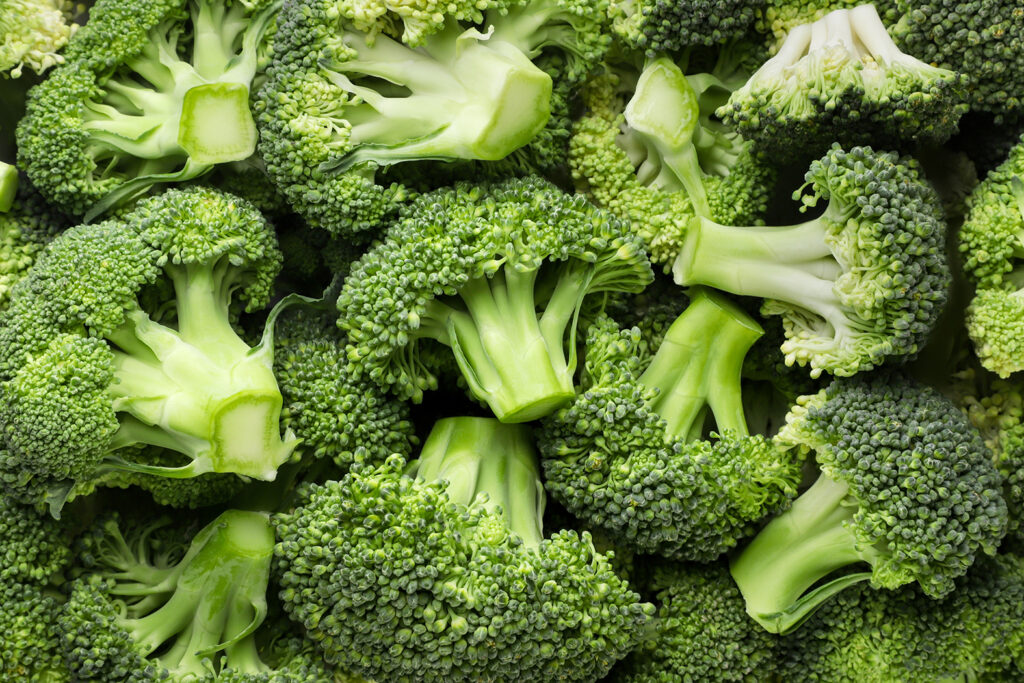
 It is well known that food spoilage has multiple causes, the main ones being the atmosphere and temperature. A harmful factor that is less frequently discussed is ultraviolet (UV) radiation from the Sun, which affects the preservation of exposed foods.
UV radiation as a whole is divided into three “windows” of different wavelengths: UV-A (315–400 nanometers), UV-B (280–315 nanometers), and UV-C (100–280 nanometers). As the wavelength decreases, the energy and harmfulness of the rays increase; therefore, UV-C rays are the most damaging, but fortunately they do not reach the Earth’s surface because they are completely absorbed by the ozone layer.
Instead, it is important to be mindful of UV-B rays, which are energetic and penetrating, and thus cause a series of reactions in food that compromise its quality. Among the most common effects of UV-B radiation on food are a reduction in nutritional value and a deterioration in organoleptic characteristics; however, toxic compounds can also form, leading to inflammation and chronic diseases in consumers. The food components most susceptible to degradation by UV-B rays are the following:
- photodegradable pigments. For example, chlorophyll, found in leafy vegetables (spinach, chicory, broccoli, arugula, turnip greens, kale, etc.), degrades upon exposure to UV-B rays, causing a loss of color. Similarly, carotenoids—which are responsible, for example, for the red hues in tomatoes (lycopene) and the yellow-orange hues in carrots and squash (beta-carotene)—deteriorate, causing color changes that consumers tend not to accept;
- vitamins, particularly vitamin C (ascorbic acid), which acts as an antioxidant. As a result of its degradation, the antioxidant properties of foods containing it are reduced, starting with citrus fruits. Similarly, the riboflavin (vitamin B2) content is significantly reduced by exposure to UV-B rays, further diminishing the nutritional profile of foods containing it (spinach, Swiss chard, broccoli, legumes, etc.);
- lipids—particularly the fats found in high quantities in oils, nuts, meat, and dairy products—are oxidized by UV-B radiation, leading to the formation of free radicals that cause the development of unpleasant flavors and odors, often associated with rancidity;
- Proteins are rapidly denatured and oxidized by UV-B rays, causing changes in texture and flavor that reduce the quality of the food.
Synthetic additives and petroleum-derived packaging materials offer limited protection against UV-B radiation. A more promising solution is represented by biomaterials incorporating anthocyanins, a family of over 600 natural pigments that share a common basic chemical structure, with different chemical groups attached that confer a wide variety of colors. A recent review by V. K. Pandey et al. (2025) highlights the properties and potential applications of anthocyanins in bio-based and biodegradable packaging materials, thereby emphasizing their role in improving food quality and promoting environmental sustainability.
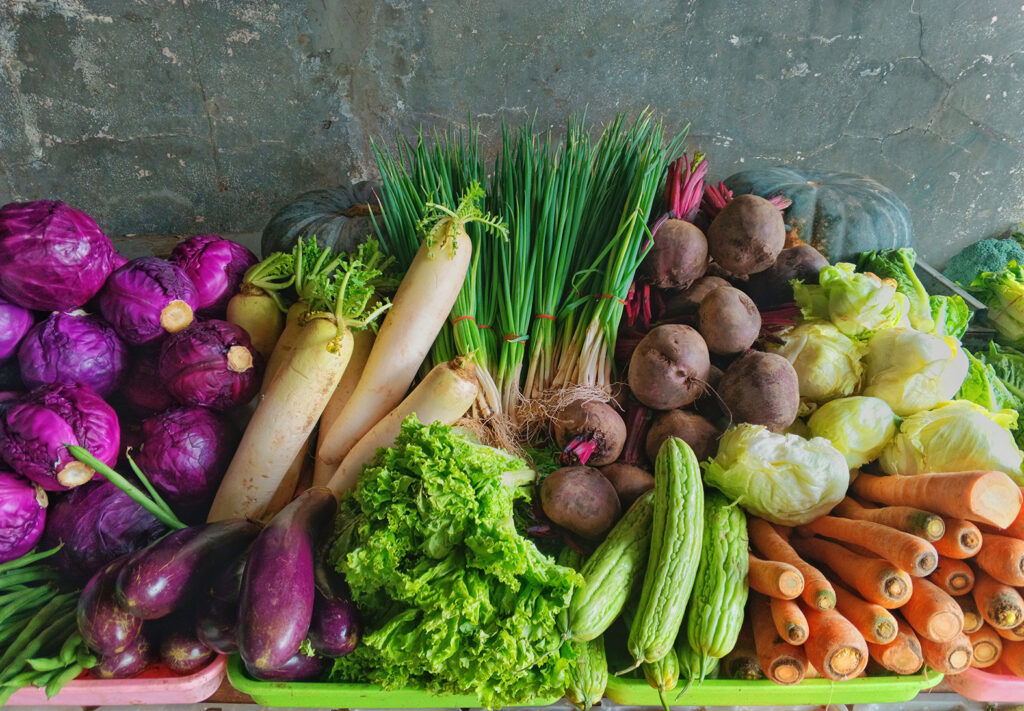
In nature, anthocyanins are found in abundance in certain types of fruit (blueberries, blackberries, raspberries, grapes, etc.), vegetables (red cabbage, eggplant, purple carrots, etc.), and flowers (roses, pansies, violets, etc.). When present, anthocyanins exert all their beneficial properties. For example, in berries, anthocyanins reduce oxidative stress, thereby extending shelf life. The concentration and types of anthocyanins vary from one source to another, resulting in a variety of colors ranging from red to blue/green. Specifically:
- the anthocyanins in grape skins give wine its red color;
- red tropical fruits such as pomegranates, cherries, and blood oranges contain red anthocyanins;
- purple cabbage contains mainly cyanidin, which turns blue or red depending on the pH. This property is particularly interesting because the pH-induced color change can be utilized in smart packaging to provide a visual indication of a product’s freshness.
Anthocyanins not only absorb and block UV-B rays but also possess strong antioxidant capacity (reducing free radicals) and antimicrobial properties, which extend the shelf life of foods. The review lists the use of anthocyanin-based packaging to protect various types of foods from UV-B-induced degradation. For example:
- chicken or beef, which are prone to lipid oxidation, increased rancidity, loss of omega-3 fatty acids, surface discoloration, and changes in texture, benefit from an extended shelf life when films containing anthocyanins are used, primarily due to a 50% reduction in the growth of Salmonella and Escherichia coli;
- for cut apples, browning is delayed and shelf life is extended by 20% when using anthocyanin-based coatings;
- In fruit juices, shelf life is extended by 40% when materials containing anthocyanins are used;
- anthocyanins slow the oxidation of oils, reducing rancidity by 70%.
In addition, materials containing anthocyanins form active, transparent packaging capable of extending the shelf life of dairy products, fish, and ready-to-eat products such as salads. Finally, innovative solutions are mentioned, such as encapsulating anthocyanins in biopolymers like chitosan, polylactic acid (PLA), and starch to produce biodegradable, fully recyclable materials with high oxygen and moisture barrier properties. For example, the use of chitosan films containing anthocyanins extends the shelf life of vegetables by up to 30% and reduces weight loss by 25%. Unfortunately, anthocyanin- s are thermally and chemically unstable; therefore, current efforts are focused on improving their stability to enable large-scale production. Furthermore, while the cost of anthocyanins is currently high, it is expected to decrease as the technology advances.
In conclusion, anthocyanins have great potential for producing innovative and eco-friendly materials capable of protecting food from UV-B rays and possessing antioxidant and antimicrobial properties. By changing color in response to pH, they allow for real-time monitoring of food freshness and can thus be used to create active packaging materials. Future efforts, however, must be aimed at scaling up their production.
References: K. Pandey et al., Journal of Food Process Engineering, 2025; https://doi.org/10.1111/jfpe.70196