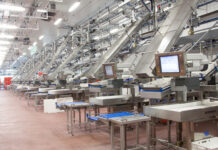
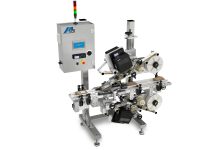
 Benefits of using electronic noses in inspection systems in food production lines.
The electronic nose is a device capable of characterising and differentiating the aromatic profiles of foods. In recent years, this device has proven to be capable of providing rapid, simple and non-destructive methods for product quality assessment and control. The aim of a recent study carried out by an Egyptian researcher (Shaltout, 2025) was to summarise the main characteristics of the electronic nose, analysing its applications and future prospects.
According to the author, for example, this tool is particularly effective in monitoring the deterioration or adulteration of meat, offering a reliable system for online analysis of this category of products. Furthermore, the development of new advanced types of electronic noses, based on the use of gas chromatography (GC), opens up new perspectives for the evaluation of food aroma. Although numerous scientific studies demonstrate the usefulness of this tool, depending on different types of sensors or GC techniques, for online inspection of food products, the implementation of the electronic nose in industrial practice is still not widespread.
According to the study, this is due to the vulnerability (time drift) and relatively high costs of the electronic nose, as well as the need for specific staff training. Further efforts are therefore still needed to develop, for example, new portable instruments with a reduced number of sensors in order to minimise costs and simplify analysis activities, facilitating their dissemination in industrial applications.
Use of different inspection methods to assess the cleanliness of food packaging facilities.
Effective cleaning and sanitisation (C&S) of food contact surfaces is essential to minimise the risk of microbial contamination in production lines. In this context, the aim of a recent study carried out by a group of international researchers (Muñiz-Flores et al., 2025) was to evaluate the performance of visual inspection, ATP (adenosine triphosphate) measurement and microbial analysis as tools for verifying C&S procedures in food packaging plants.
Cleanliness was classified using a four-level visual scale, from 1 (cleanest) to 4 (dirtiest). ATP levels were measured using bioluminescence. Microbial analysis included the qualitative detection of Listeria spp. and the quantification of mesophilic aerobic bacteria, Enterobacteriaceae, yeasts and moulds. The results show that, in many cases, the different methods tested provide contradictory results.
On some surfaces, for example, visual inspection and microbial indicators suggested effective C&S, contrary to what was detected by ATP measurements. In other cases, only visual improvements were detected, with no significant reduction in ATP or microbial levels. These inconsistencies highlight the limitations of using a single inspection method and underscore the importance of employing complementary tools in a sequential verification approach. Finally, the study proposes a decision tree to guide the integration of these tools and improve hygiene monitoring strategies in food packaging facilities.
References: F.A. Shaltout, Journal of Biotechnology and Bioprocessing, 6, 2025, 1-7. J.A. Muñiz-Flores et al., Journal of Food Protection, 88, 2025, 100593.