 For decades, the way we buy snacks has hardly changed. A family pack of chips, biscuits for school lunches, or a bundle of popcorn bags has always looked the same: smaller packs wrapped together inside a bigger plastic bag. It was convenient, familiar, and easy to distribute – but also wasteful. Today, the world is asking for something different.
Consumers are more aware of the waste they create. Retailers are under pressure to cut emissions and reduce plastic. Governments are introducing stronger sustainability rules and targets. The traditional multipack, once seen as a practical solution, has now become a symbol of too much packaging. This is exactly why M-TAPE was created.
From Problem to Innovation
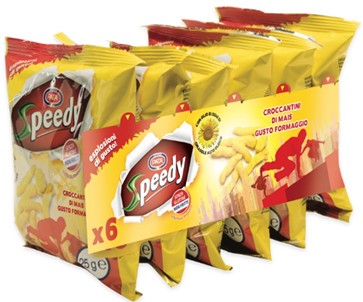
The idea behind M-TAPE is simple yet powerful: if the bulky outer bag is unnecessary, why keep it? Instead of wrapping individual snack packs inside another plastic layer, M-TAPE holds them together using a thin but resistant adhesive strip. It may seem like a small change, but it creates a huge shift in impact. By removing the redundant packaging, the multipack instantly becomes lighter, leaner, and more sustainable—while keeping the same convenience consumers rely on every day.
Why It Matters to Consumers
Today’s shoppers expect brands to offer more than taste. They look for products that reflect their values. For families, M-TAPE means less plastic to throw away at home. For younger generations, it signals innovation and responsibility. For everyone, it delivers a pack that feels modern, transparent, and easy to use. The tape also creates new opportunities for creativity and engagement. Brands can print logos, promotions, QR codes, or sustainability messages directly on the tape—turning packaging into a communication tool that consumers notice.
Why Retailers Support It
For retailers, M-TAPE is more than an environmental gesture—it is a business advantage. Taped multipacks take up less space in warehouses and on trucks, meaning better pallet efficiency, fewer shipments, and lower logistics costs. On the shelf, the compact format allows more products to be displayed in the same area, improving efficiency and helping products sell faster. Just as importantly, the change is visible: shoppers can immediately see that less plastic has been used, strengthening trust and loyalty toward both retailers and brands.
 The Environmental Case
Every taped multipack helps reduce the footprint of the food industry. Cutting plastic by 65–86% compared to traditional multipacks is not just a technical improvement—it is a measurable and reportable benefit aligned with ESG-Italy commitments worldwide. Less packaging also means less waste to manage, fewer trucks on the road, and lower CO₂ emissions throughout the supply chain. For producers and retailers, these results can be integrated directly into sustainability reports, supporting progress against increasingly strict targets.
A Global Opportunity
The appetite for change does not stop in Europe. Across the Gulf Cooperation Council (GCC) countries—Saudi Arabia, the UAE, Kuwait, Qatar, Oman, and Bahrain—consumer habits are evolving rapidly. Young, urban populations are increasingly demanding products that combine convenience with responsibility, while governments are embedding sustainability goals into long-term strategies. With a snack market currently valued at $8.5 billion and projected to exceed $12 billion by 2030, the opportunity is clear: introduce a proven European innovation into one of the fastest-growing regions in the world.
Packaging That Pays
M-TAPE is more than a new way to bundle snack packs. It is a response to consumer expectations, an operational tool for retailers, and a practical solution that helps companies advance sustainability goals—without compromising profitability. At ESG-Italy, we believe M-TAPE represents the future of multipacks: packaging that shifts from being a cost and an environmental burden into a true strategic advantage.
Key Benefits at a Glance
- Up to 50% lower packaging cost.
- Around 30% leaner logistics (space, pallets, transport efficiency).
- 65–86% plastic reduction vs traditional multipacks.
- Lower CO₂ impact across the supply chain.
- Proven in Europe, with sales exceeding €50M.
- GCC snack market growth: $8.5B → $12B+ by 2030.
For more information https://esg-italy.com